

Understanding Sinus Rinsing
The Gentle Power of NetiYoga: How Nasal Irrigation Truly Works
When comparing Sinus Rinse Bottles vs Neti Pots, it’s easy to see that not all nasal rinsing methods are created equal. Our nose is the first line of defense for the body — a natural filter that traps dust, pollen, and pathogens before they reach the lungs. When mucus builds up due to allergies or infection, it becomes a sticky trap for bacteria and causes that heavy, foggy feeling of sinus pressure. The goal of nasal irrigation isn’t just to flush — it’s to restore balance and help the body breathe freely again.
While sinus rinse bottles use pressure to blast the sinuses clear, the traditional neti pot relies on gravity — a slower, natural flow that gently washes away impurities without irritating the delicate nasal lining. The NetiYoga ceramic pot follows this ancient Ayurvedic principle, combining function with calm ritual. With every rinse, you’re not just cleaning your sinuses — you’re reconnecting with your breath.
Nasal rinsing with a balanced saline solution loosens mucus, removes allergens, and moisturizes the nasal cavity. But using a neti pot adds something extra — mindfulness. You’re not forcing water through your nose; you’re allowing it to flow. The result is deeper relief, calmer sinuses, and a more centered start or end to your day.
Benefits of Regular Sinus Rinsing for Allergies, Colds, and Sinus Infections
Turning nasal rinsing into a daily ritual with a NetiYoga pot does far more than clear your sinuses — it brings lightness to your whole system. The slow flow of warm saline through the ceramic pot soothes the nasal lining, helps reduce inflammation, and creates a calm rhythm that restores your breathing.
- Allergy relief: Regular rinsing removes pollen, dust, and other allergens before they trigger discomfort. The gentle stream of a ceramic neti pot is ideal for sensitive sinuses that react to spring blooms or dusty air.
- Cold and flu prevention: Flushing out bacteria and viruses supports your body’s natural defenses. The NetiYoga ritual helps you stay consistent — it’s simple, grounding, and easy to integrate into your morning routine.
- Chronic sinusitis management: Over time, daily rinsing keeps inflammation low and mucus buildup under control. People who use a neti pot regularly often find they can breathe more freely and sleep better.
- Better sleep and deeper breathing: Clear nasal passages mean more oxygen, calmer nights, and less snoring. Many users describe the feeling after rinsing as “light, awake, and clean from within.”
Unlike plastic squeeze bottles that often feel like a task, using a handmade ceramic neti pot becomes something you look forward to — a moment of mindfulness that reminds you to slow down, breathe, and reset.
Common Misconceptions About Nasal Irrigation
A lot of people hesitate to try nasal rinsing because they imagine it’s uncomfortable or even strange. The truth is — when done gently and mindfully — it’s one of the most soothing things you can do for your sinuses.
With the NetiYoga pot, there’s no pressure, no squeezing, and no rush. The warm saline flows naturally with gravity, creating a calm sensation that actually relaxes your breathing. It’s closer to meditation than to medicine.
Another common myth is that nasal rinsing is only for people with sinus problems. In reality, it’s for everyone who values clear breathing — whether you struggle with allergies, dry indoor air, city pollution, or just want to feel fresher and more focused.
Once you experience it with a ceramic neti pot — the texture, the warmth, the smooth glaze against your hand — you realize it’s not just a hygiene habit. It’s a small daily ritual that reconnects you with your breath and your body.
Sinus Rinse Bottles: Features and Benefits
How Rinse Bottles Work: Squeeze for Controlled Pressure
Sinus rinse bottles were created for speed and pressure. You squeeze, water shoots through, and for a moment, it feels like relief. They use controlled pressure to flush out mucus quickly — effective, yes, but often a bit too forceful for sensitive sinuses.
These bottles are usually made of plastic, which means they don’t last forever. Over time, the material can wear down, become cloudy, or even harbor bacteria if not cleaned perfectly. And because plastic absorbs odor and mineral residue, most people end up replacing them after a few months. It’s not just inconvenient — it’s wasteful.
For people with severe congestion, the squeeze mechanism might help push things through, but that same pressure can also cause temporary ear discomfort or irritation. The act itself feels more like a quick task than a mindful moment.
There’s nothing wrong with using a rinse bottle when you need fast relief — but if you want a ritual you can keep for years, one that connects you with breath, water, and nature, a ceramic neti pot simply offers more.

Neti Pots: Features and Benefits
The neti pot has been used for centuries in Ayurvedic practice — and for good reason. Its simple, gravity-based flow doesn’t force anything. Instead, it allows warm saline to move naturally through your nasal passages, gently clearing mucus and restoring balance.
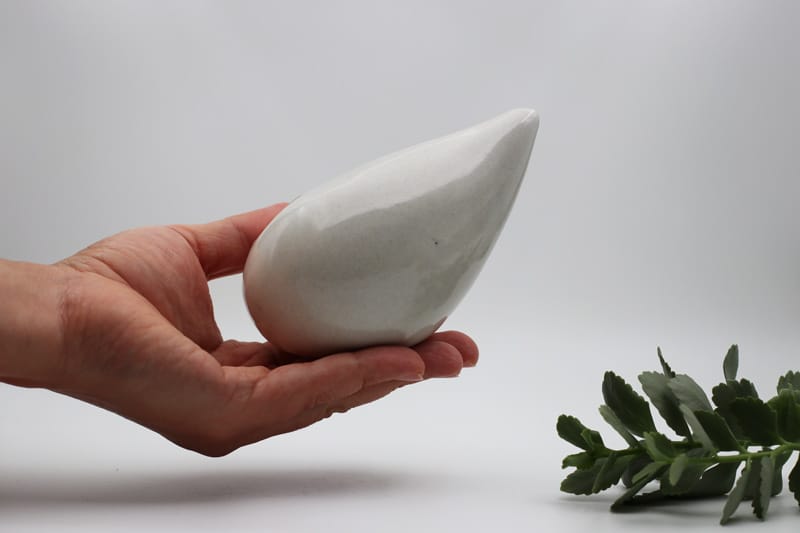
The NetiYoga pot takes this traditional method and turns it into something timeless. Handmade from natural ceramic, it feels solid and grounding in your hands — not like plastic you’ll throw away after a season. Every curve is designed to support an easy, comfortable flow.
Who benefits most from a neti pot?
People with mild to moderate congestion, those new to nasal rinsing, or anyone who prefers calm over speed. It’s also perfect for sensitive sinuses that react to pressure.
Why choose a NetiYoga pot?
Because it’s not just a tool — it’s a companion in your wellness routine. The gravity flow is gentle on nasal tissue, the ceramic surface keeps water temperature stable, and the experience itself slows you down in a good way.
You don’t squeeze. You don’t rush. You tilt your head, breathe, and let water do what it does best — cleanse and refresh. The feeling afterward isn’t just clear sinuses. It’s clarity, full stop.

Key Differences Between Sinus Rinse Bottles and Neti Pots
Pressure vs. Flow
Rinse bottles rely on pressure — you squeeze, water shoots through, and it’s over in seconds. Neti pots, on the other hand, use gravity. The water flows naturally, without force, giving your body time to adjust and release. The NetiYoga pot embraces this rhythm — it doesn’t fight your sinuses, it works with them.
Mechanics vs. Mindfulness
A rinse bottle is a gadget. A neti pot is a ritual. With a squeeze bottle, you perform a task; with a ceramic pot, you take a breath, slow down, and let gravity do its quiet job. Many users describe using a NetiYoga pot as a form of moving meditation.
Disposable Plastic vs. Lasting Ceramic
Rinse bottles are plastic and need replacing. Over time, they scratch, discolor, and collect residue. A NetiYoga pot is ceramic — durable, sustainable, and timeless. You can use the same pot for years, and it will age beautifully, just like any handmade object you care for.
Feeling vs. Function
Rinse bottles are about function — quick relief. A neti pot is about feeling — gentle relief that lasts. The slow flow reduces irritation, improves consistency, and makes the practice something you actually enjoy.
At the end of the day, both tools can clear your sinuses. But only one reminds you to breathe, to be present, and to care for yourself in a simple, natural way. That’s the difference between doing a rinse — and practicing NetiYoga.
How to Choose the Best Option for You
Finding the right way to care for your sinuses isn’t just about pressure or flow — it’s about how you want to feel. Do you want to get it over with, or do you want to create a moment of calm that also clears your head?
If you’re after quick, pressurized relief during a bad cold, a rinse bottle can do the job. But if you’re looking for something you can use every day — gentle, effective, and made to last — a NetiYoga ceramic pot is the better choice.
It’s sustainable, easy to clean, and completely natural. The smooth glaze prevents buildup, the ceramic holds warmth longer, and you never have to worry about replacing it every few months. It’s a tool you’ll keep for years, not a plastic fix you’ll throw away.
Most people who start with a bottle eventually switch to a pot — once they experience the difference in how it feels, they rarely go back.
Breathing should feel good. With NetiYoga, it does.
Tips for Safe and Effective Nasal Rinsing
- A few small details make a big difference in how your rinse feels — and how your sinuses respond. Guide.
- Use clean, safe water. Always rinse with sterile, distilled, or previously boiled water that has cooled down to body temperature. Tap water isn’t always safe for nasal use.
- Mix your saline well. Too much salt can sting; too little won’t do the job. A balanced saline solution should feel soft and soothing, not sharp.
- Warm water works best. Lukewarm water helps the solution flow comfortably and relaxes the nasal tissues.
- Take your time. Don’t rush. Let the water move through naturally. Gravity will do the work for you.
- Clean your pot after each use. Rinse it thoroughly with hot water and let it air dry completely. The NetiYoga ceramic surface makes cleaning easy and hygienic — no hidden plastic corners where bacteria can grow.
- Be consistent. The magic comes with regular use. Once rinsing becomes part of your daily rhythm, you’ll notice fewer flare-ups, clearer mornings, and calmer breathing.
Conclusion
Both methods can clear your sinuses — but only one feels like a moment of peace. The NetiYoga ceramic pot turns a simple rinse into something meaningful. It’s a blend of tradition, mindfulness, and everyday practicality that keeps your breathing clear and your mind calm.
Over time, you start to notice the difference. Fewer sinus issues. Deeper breaths. A small daily ritual that grounds you, morning or evening. It’s not about doing more — it’s about doing it with intention.
In a world full of fast fixes and plastic solutions, the NetiYoga pot reminds us that simple, natural tools still work best. One pour at a time, one breath at a time — that’s how balance returns.


